Golf Swing Analysis: Trail and Lead Foot
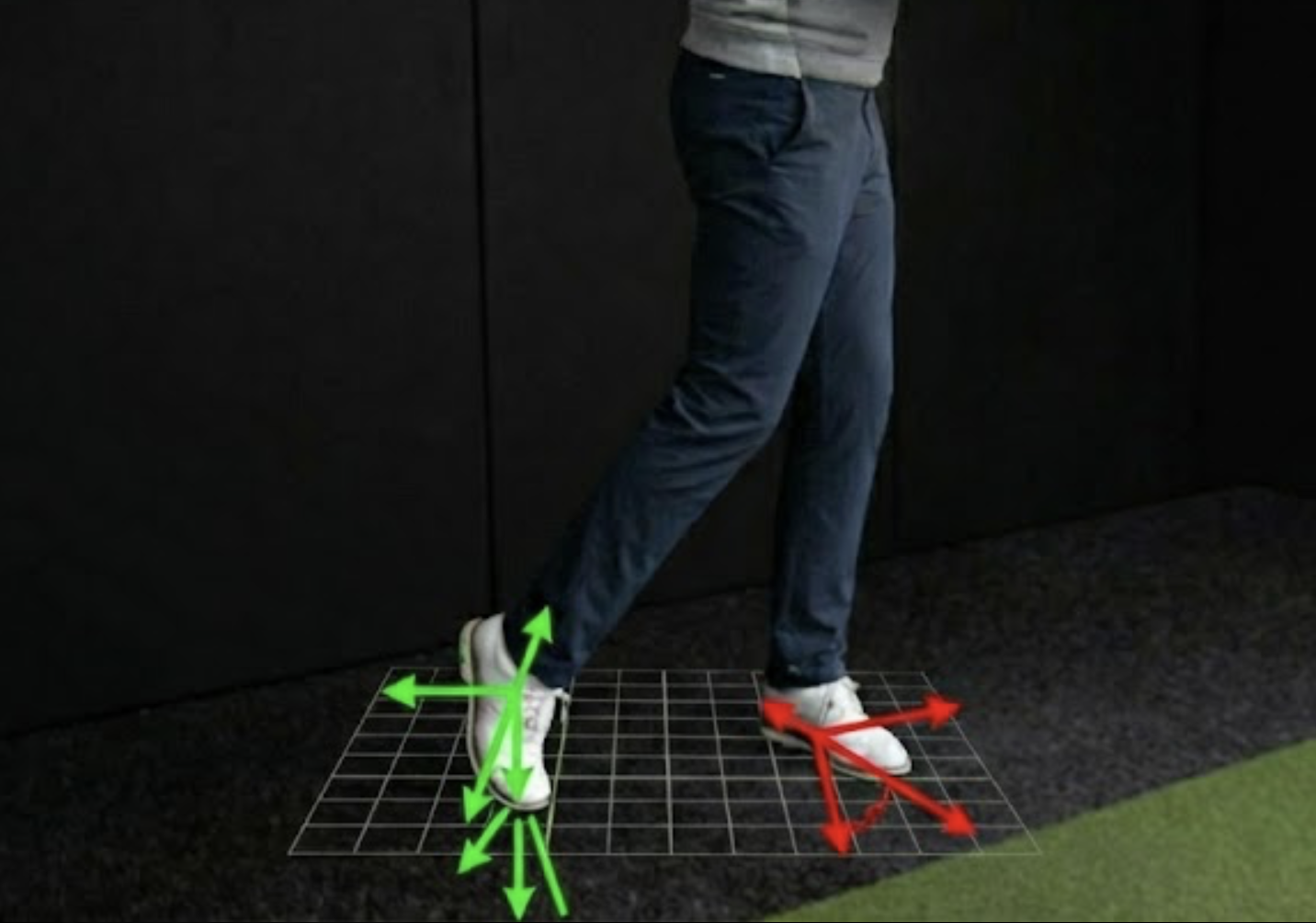
At ATX Golf Performance, we remind our players that most power is produced from the ground up. Your feet aren't passive: they're the anchor points that transfer energy from the ground through your hips, torso, and ultimately into the club. Learning what each foot should feel like throughout the swing is one of the fastest ways to unlock balance, speed, and control.
Weight Distribution: Trail Foot vs. Lead Foot
Setup
Feel: Weight balanced slightly toward the balls of the feet, 55–60% on the lead side with irons, 50/50 with a driver. Pressure centered, not rocking onto heels or toes. This creates an athletic stance where both feet are ready to respond.
Backswing
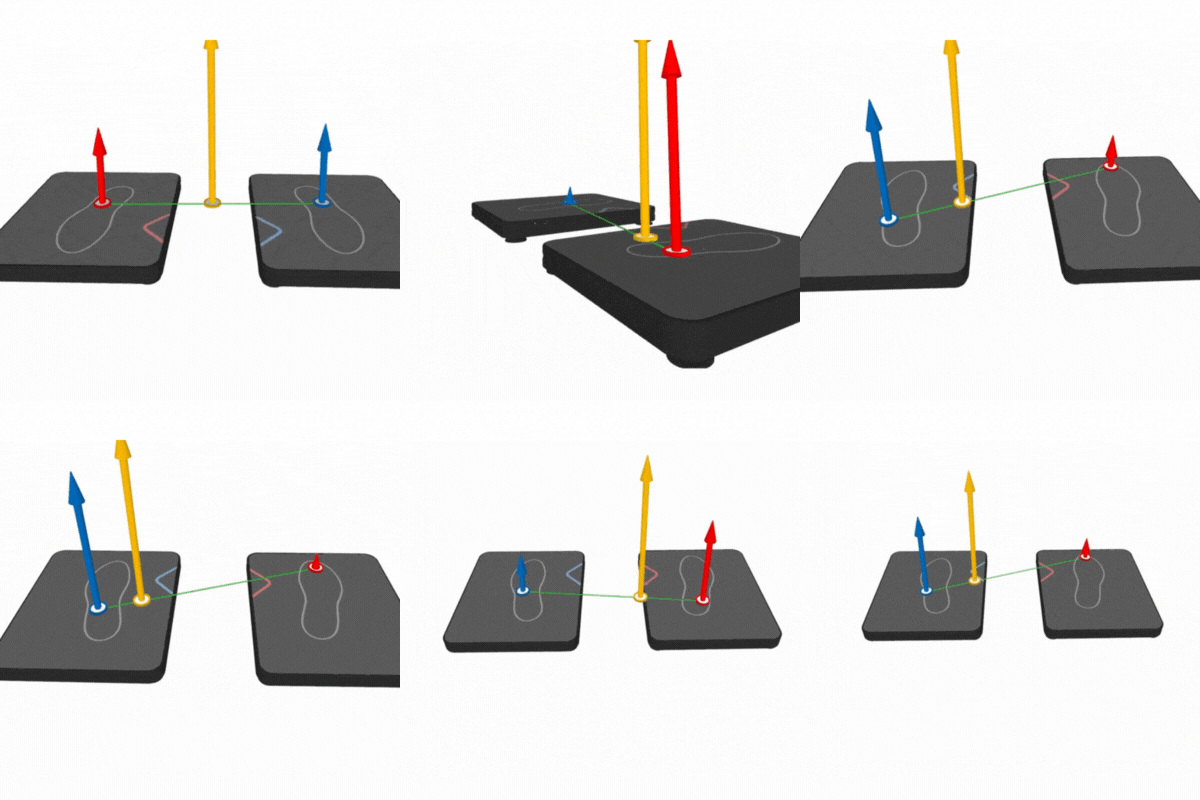
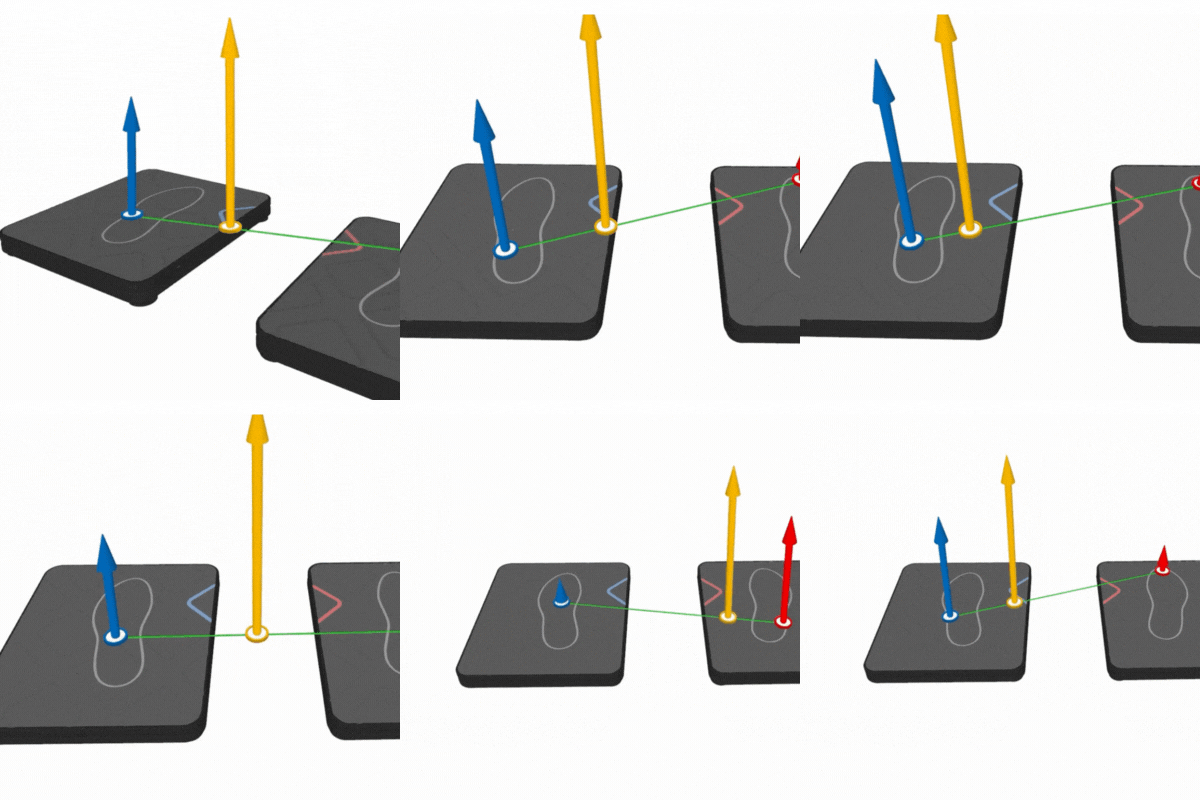
Trail Foot Feel: Pressure shifts into the inside of the trail foot: especially the inside heel and arch. Avoid rolling onto the outside edge. Lead Foot Feel: Pressure decreases but stays engaged through the inside of the lead ball of foot. The trail foot stores energy like a loaded spring, while the lead foot stays grounded enough to maintain stability.
Transition
As the downswing begins, pressure shifts smoothly into the lead heel. Think of 'stepping' into the ground with your lead foot as your hips start turning. This movement initiates the chain reaction: hips fire, torso lags, arms follow.
Downswing to Impact
Trail Foot: Pressure moves toward the ball of the trail foot as the heel begins to lift naturally. Imagine the trail foot pushing the ground away behind you. Lead Foot: Strong pressure through the lead heel, balanced with the inside forefoot. Both feet are now working together: trail foot driving forward, lead foot bracing and rotating.
Finish
Nearly all weight is on the lead foot: inside heel and forefoot. Trail heel lifted, with light toe contact for balance. This ensures complete weight transfer and a powerful, balanced finish.
Feel-Based Cues for Better Footwork
- "Inside edge only." Keep trail foot pressure inside the arch and heel during backswing: never outside.
- "Step into it." Downswing begins with a step or stomp into the lead heel.
- "Push behind you." Trail foot should feel like it's pushing the ground away in transition.
- "Post and pose." Lead foot takes all the weight at finish: balanced, tall, and stable.
Simple Drills to Train Foot Action
- Step-Into-Lead Drill: Start with feet close together. Swing to the top, then step into your lead foot as you begin the downswing.
- Trail Foot Inside-Edge Drill: Place a ball or tee outside your trail foot. Make backswings without letting your trail foot roll onto the outside edge.
- Lead Heel Pressure Drill: At the top of the swing, pause. Begin the downswing by pressing your lead heel into the ground.
Ready to use your feet to unlock more speed and stability?
Learn More →Frequently Asked Questions
Why is footwork important in the golf swing?
Your feet are the anchor points that transfer energy from the ground through your body into the club. Proper footwork drives balance, speed, and consistency.
What should the trail foot feel like in the backswing?
Pressure should shift into the inside of the trail foot: especially the inside heel and arch. Avoid rolling onto the outside edge, which causes sway and power loss.